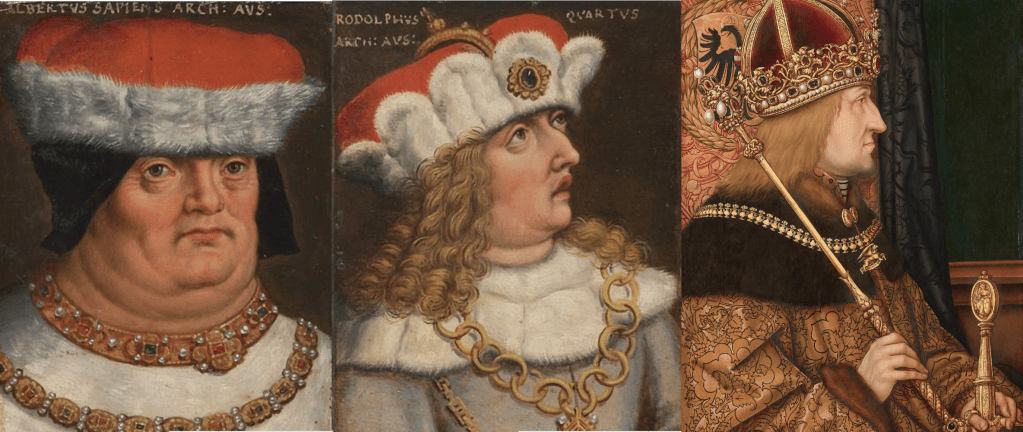
After the Kingships of Rudolf and Albert, the Habsburg’s fortunes on the Imperial Stage diminished, but the family was still one of the leading Houses in the Holy Roman Empire, and their story is far from over.
Time Period Covered: 1290-1440
Notable People: Albert II of Habsburg, Rudolf IV of Habsburg, Leopold III of Habsburg, Frederick of the Empty Pockets, Ernst the Iron, Albert V of Habsburg, Frederick III
Notable Events/Developments: Birth of the Old Swiss Confederacy, Battle of Mortgarten, Battle of Sempach, Habsburg Acquisition of Carinthia and Carniola, Habsburg Acquisition of Tyrol, Privilegium Maius

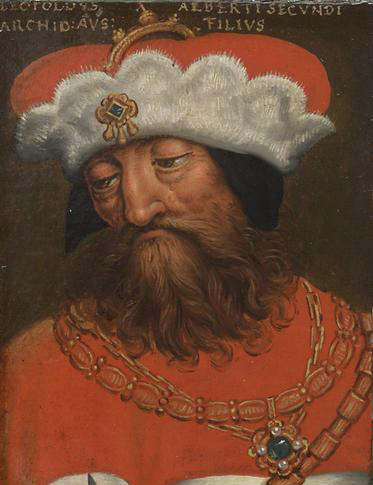

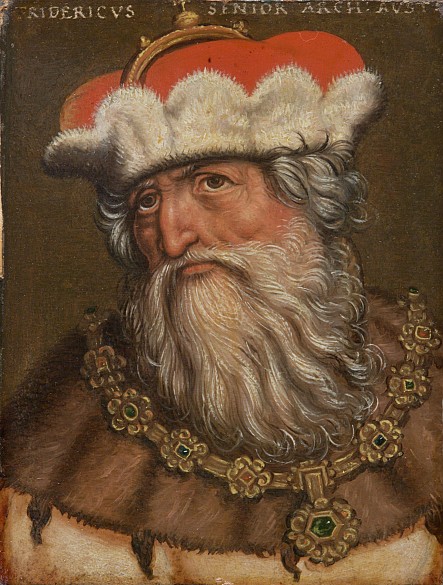
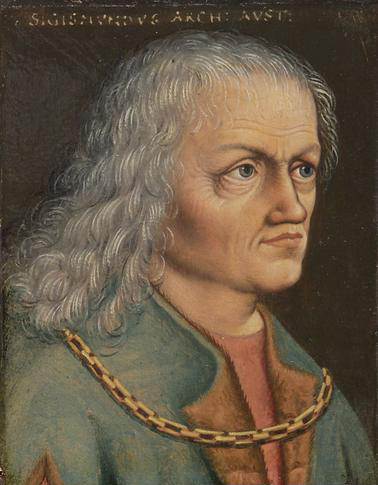
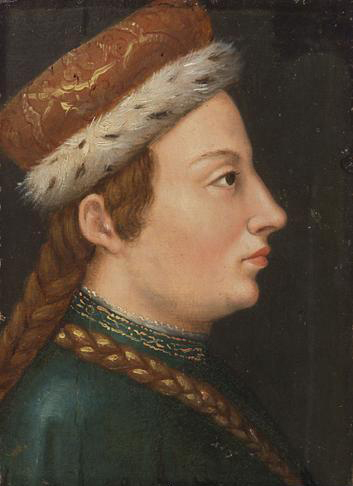


Top (Left to Right): The Leopoldines, Leopold III, Ernst the Iron, Frederick of the Empty Pockets, and Sigismund of Tyrol. Bottom, (Left to Right): The Albertines, Albert III, Albert V, and Ladislaus the Posthumous all by Anton Boys.
Sources
Welfs, Hohenstaufen and Habsburgs by Michael Toch in The New Cambridge Medieval History Volume V
The Empire: From Adolf of Nassau to Lewis of Bavaria by Peter Herde in The New Cambridge Medieval History Volume VI
The Luxemburgs and Rupert of the Palatinate by Ivan Hlavacek in The New Cambridge Medieval History Volume VI
Germany and the Empire by Tom Scott in The New Cambridge Medieval History Volume VII
The Swiss Confederation by Roger Sablonier in The New Cambridge Medieval History Volume VII
The Habsburgs: To Rule the World by Martyn Rady
The Habsburgs: The History of a Dynasty by Benjamin Curtis
The Origins of the German Principalities, 1100-1350 Edited by Graham A. Loud and Jochen Schenk
Danubia: A Personal History of Habsburg Europe by Simon Winder
The Swiss at War 1300-1500 by Douglas Miller
Heart of Europe: A History of the Holy Roman Empire by Peter H. Wilson
German Histories in the Age of Reformations, 1400-1650 by Thomas A. Brady Jr
The Czechs and the Lands of the Bohemian Crown by Hugh Agnew
A History of The Czech Lands by Jaroslav Panek and Oldrich Tuma
 Grand Dukes of the West